Frequently Asked Questions (FAQs)
Questions you may have about plaster or drywall
Drywall Basics-Frequently Asked Questions
What is the difference between hanging, taping, mudding, and texturing?
- Hanging: Measuring, cutting, and securing raw drywall sheets (gypsum board) directly to wooden or metal wall framing.
- Taping: Applying paper or mesh tape over the seams where drywall panels meet to prevent cracks.
- Mudding: Applying multiple coats of joint compound over the taped seams and fastener heads, sanding smoothly between each coat.
- Texturing: Applying a spray or hand-applied texture to match the surrounding wall style before painting.
- Smooth Finishes (Levels of Smoothness): If you are going with a smooth wall or ceiling rather than a textured finish, there are standardized levels of finish depending on your final look:
Level 4 Smooth: This is the classic drywall finish. All joints and nail holes taped and mudded several times.
Level 5 Smooth (The Highest Quality): A full skim coat of joint compound applied over the entire wall surface to conceal all imperfections, joint banding, and sheen differences under paint. Highly recommended for high-gloss paints, smooth accent walls, or rooms with heavy natural side-lighting.
How long does a typical drywall patch or repair job take?
Because we use fast-setting joint compound (“hot mud”) that sets in 5, 20 or 45 minutes, most small to medium patch repairs can be completed in a single day. This allows us to apply multiple coats, sand, and complete your texture match in just one visit—getting your home back to normal faster without sacrificing quality.
Is Drywall waterproof?
No. Getting wet can damage it. But it can be repaired or replaced.
Do I need special moisture-resistant drywall for basements or garages?
Yes. Standard drywall works great for everyday living areas, but spaces exposed to humidity, potential moisture, or strict building codes require specialized board:
- Purple Board: Highly recommended for basements and garage areas. Purple drywall offers premium mold and moisture resistance throughout the entire board—not just on the paper surface—making it ideal for below-grade walls or damp environments.
- Greenboard: A traditional moisture-resistant option suitable for areas with occasional dampness.
- Fire-Rated (Type X) Drywall: Garages frequently require 5/8-inch Type X fire-resistant board on shared house walls and ceilings to meet local Denver area building codes.
How about in a bathroom. What type of drywall or backing board is required for bathrooms or behind tile?
Bathrooms and wet areas require specific wallboards to prevent water damage, mold growth, and tile failure:
- In Wet Areas (Showers & Tub Surrounds): Standard drywall or greenboard should never be installed directly under tile in wet areas. Shower walls require dedicated cement backer board (like Durock or HardieBacker) or waterproof foam boards. These non-porous boards provide a rigid, waterproof foundation that prevents tile and grout from failing due to moisture penetration.
- On Bathroom Walls & Ceilings (Non-Shower Areas): Premium mold- and moisture-resistant Purple board or greenboard is ideal for general bathroom walls and ceilings exposed to daily steam and condensation from showers.
Can old wall or ceiling textures be smoothed out?
Yes. Dated or heavy textures—like popcorn ceilings or uneven trowel finishes—can either be scraped down and skim-coated smooth, or covered with a thin layer of new drywall depending on the condition of the original surface.
How do you control dust and protect the home during drywall repairs?
Drywall repair can create fine dust, but we take active steps to contain the workspace and protect your home throughout the repair process:
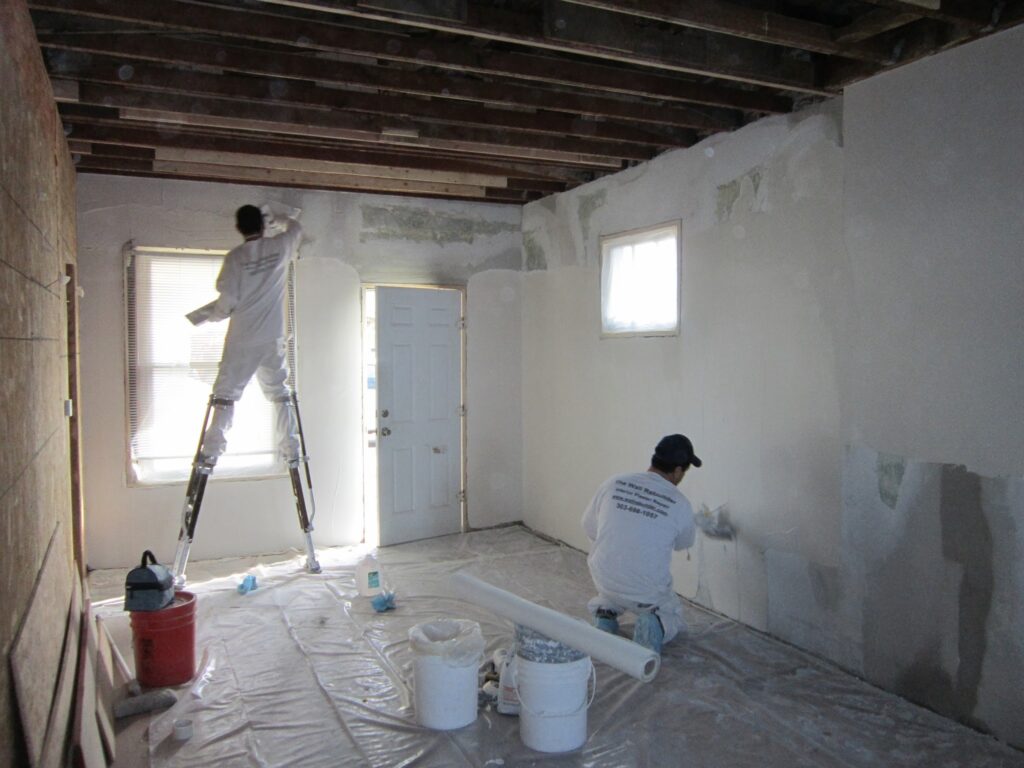
- Site Preparation & Masking: We mask off nearby doorways and living spaces with plastic sheeting and lay down protective floor coverings across high-traffic walkways before work begins.
- Thorough Clean-Up: Once the drywall work and any texture application are complete, we pack up all debris, sweep down the work zone, and leave your room clean and ready for the next phase.
Plaster Basics-Frequently Asked Questions
Can you patch drywall into an existing plaster wall?
- Tying drywall patches into existing plaster is a very common and effective repair method, especially for plumbing or electrical cutouts. We secure backer framing or metal lath, fit the drywall flush, tape the joints, and feather multiple finish coats wide so the transition between the two materials is completely invisible.
Should I repair my original plaster or tear it down and replace it with drywall?
- In most cases, repairing existing plaster is faster, cleaner, and more cost-effective than a full tear-out. Plaster provides superior soundproofing, insulation, and historic character. However, if the plaster is extensively water-damaged or crumbling across an entire room, replacing sections with drywall or applying new plaster may be the practical choice. We can help evaluate your walls and recommend the best option for your budget.
How long does plaster take to dry before it can be painted?
The plaster takes three days to fully cure and release moisture before painting for most repairs. You can put fans on it to help it dry if need be. For larger areas or new installations it can take up to 30 days.
How do you control dust during plaster repairs?
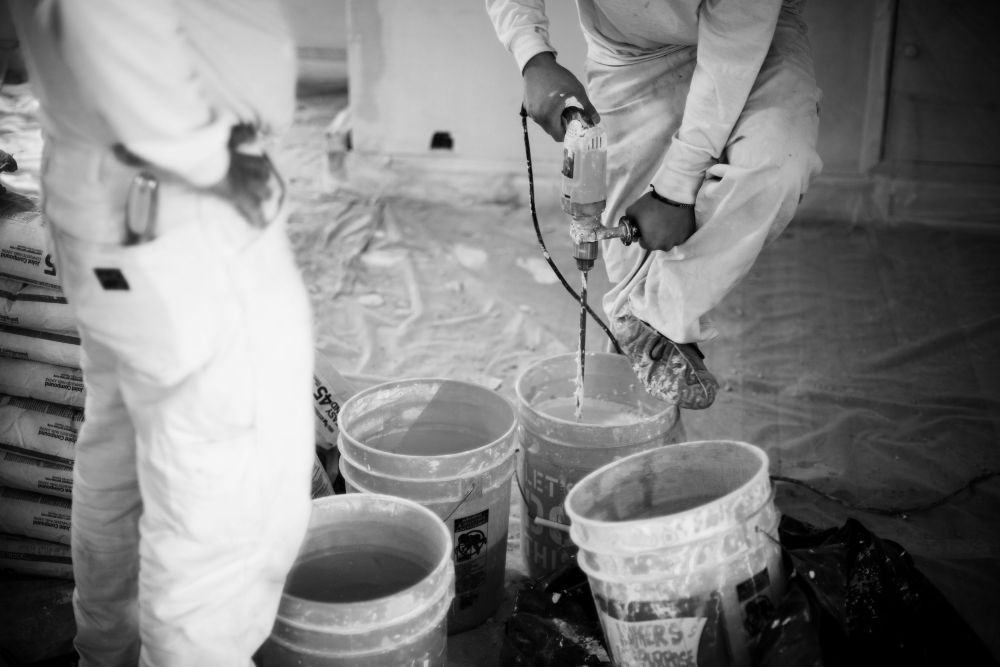
Plaster work and sanding naturally generate fine dust, so site containment is built into our process. We mask off nearby doorways with plastic sheeting, lay down floor protection across walkways, and complete a thorough clean-up of the work area when the job is done.
Giving Back to Our Community
Ready to get started?
Tell us about your project and we’ll help you understand your repair options and next steps.